Standard Home Inspection
A visual inspection of readily accessible systems and components — roof to foundation — before you close.
Services
For buyers, sellers, homeowners, and property owners across Bowling Green, Warren County, and South Central Kentucky.
A visual inspection of readily accessible systems and components — roof to foundation — before you close.
Identify visible issues before you list, so buyer negotiations hold fewer surprises.
Before final walkthrough, or before your builder warranty expires — catch it while it's covered.
Garages, shops, and outbuildings inspected when included in the agreement.
Performed by an NRPP-Certified Radon Measurement Professional (#116187) following ANSI/AARST protocol. What radon is and what the numbers mean →
Air and surface sampling through an accredited lab, paired with moisture and thermal assessment. What sampling can and cannot tell you →
Wood-destroying organism report coordinated with a licensed Kentucky pest control operator — one appointment, not two. Termites, beetles and decay in Kentucky →
Limited thermal imaging is included when conditions warrant; a comprehensive standalone exterior scan is available as an add-on.
Fall bonus service: the same thermal drone recovers downed deer for hunters — thermal deer recovery details here.
Aerial views of roofs and hard-to-reach areas when conditions allow — flown by an FAA Part 107 certified remote pilot.
The Report
Reports separate general comments from maintenance items and deficiencies, with photo documentation and clear next steps — written in DDID style: describe, define, implication, direction.
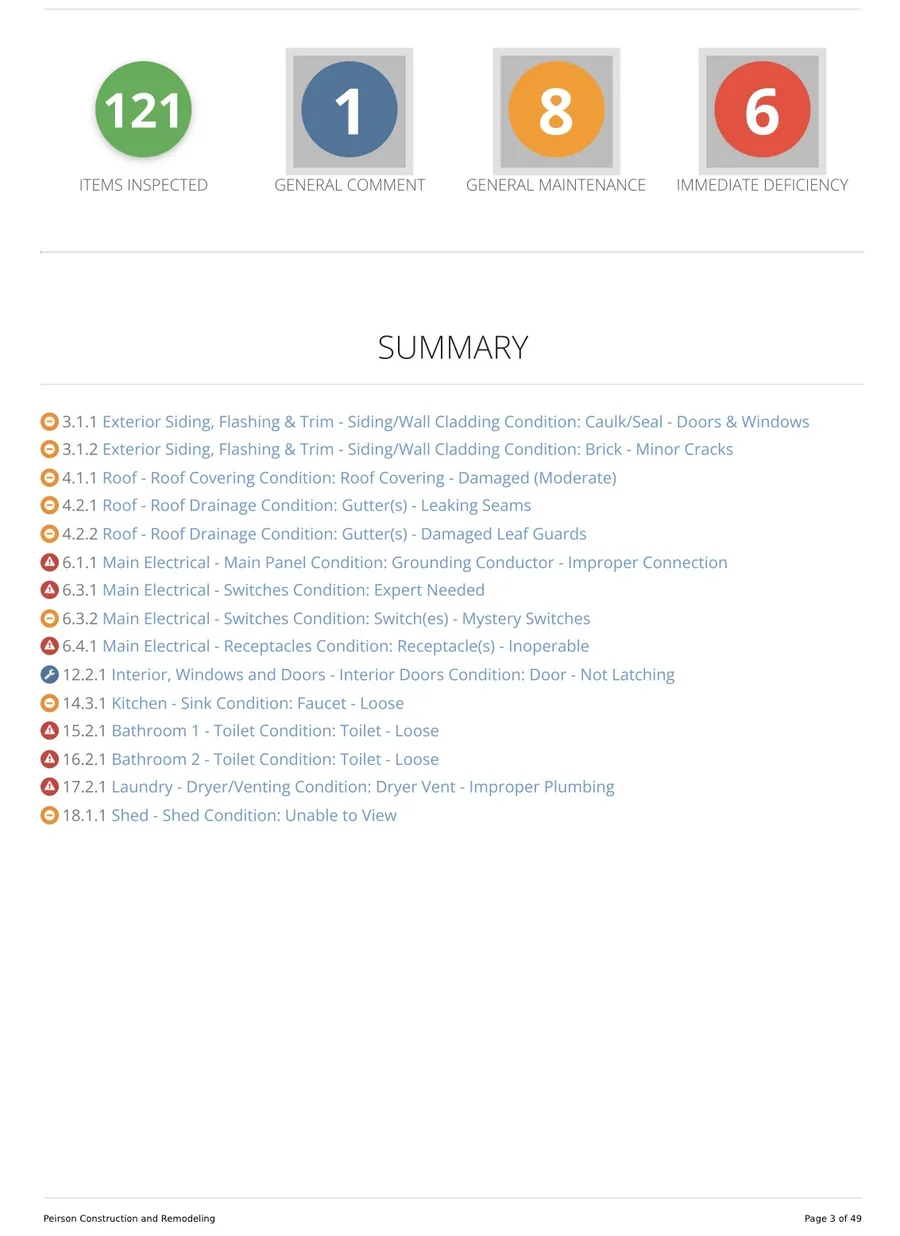
121 items inspected, every finding categorized — general comments, maintenance items, and immediate deficiencies — each linked to its detail page.
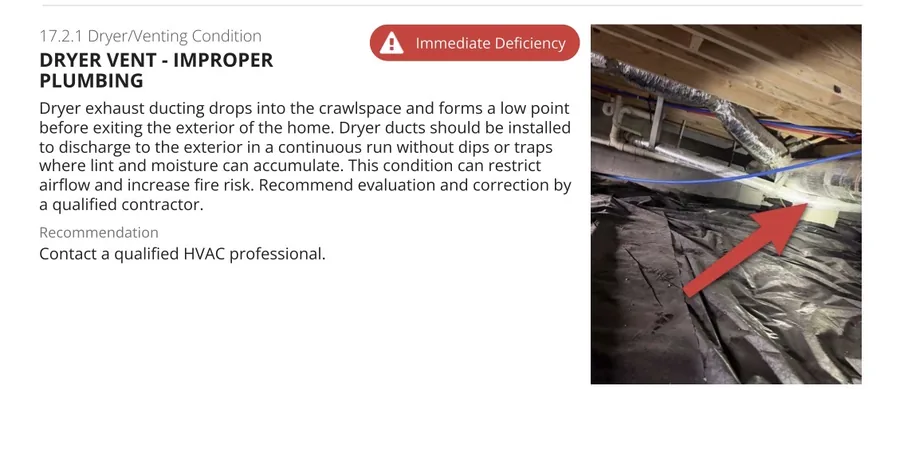
Immediate deficiencies explain the actual risk — here, a dryer duct sagging into the crawlspace that restricts airflow and raises fire risk.
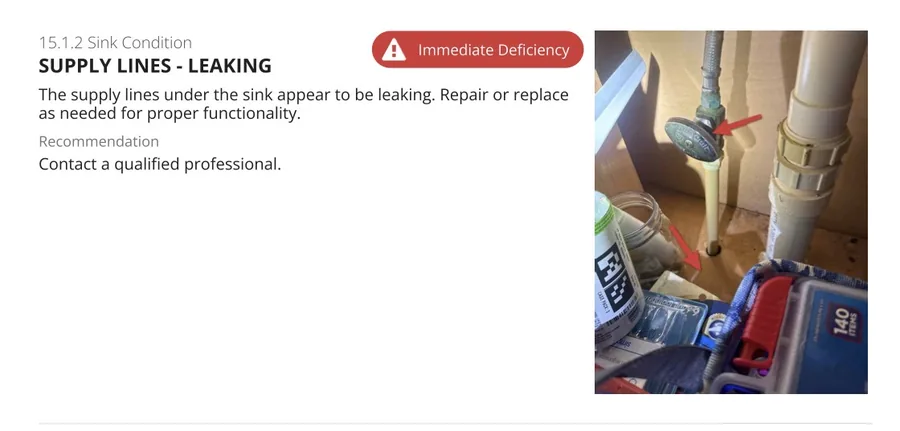
Every finding is photographed with arrows marking the exact spot, so you or your contractor can find it without guessing.
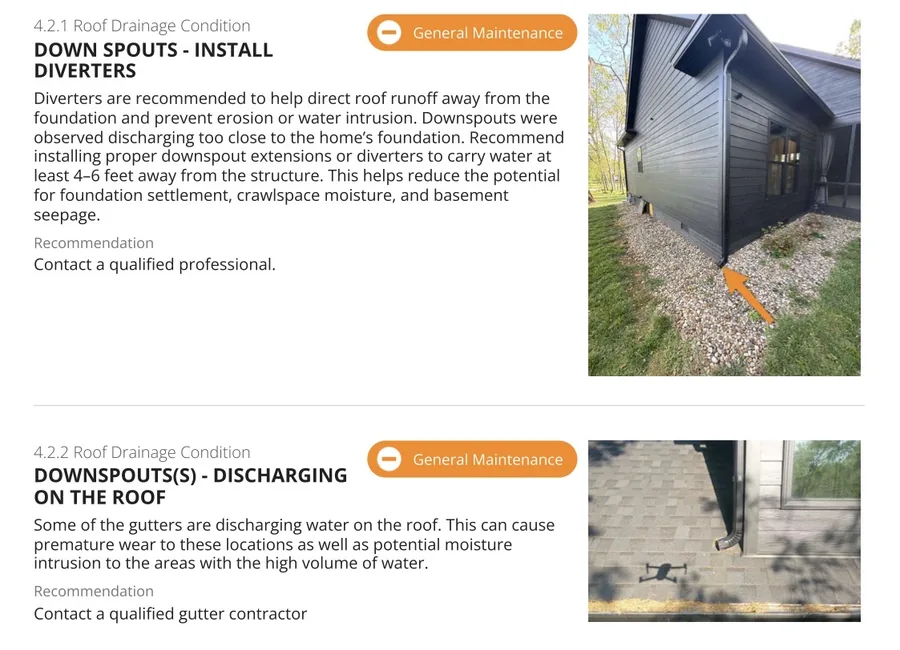
Maintenance items include what to do and why it matters — like extending downspouts to protect your foundation. (Spot the drone's shadow on the roof.)
Why this badge matters
Radon is invisible, odorless, and the second-leading cause of lung cancer — which means the only thing standing between you and a wrong answer is the professional and the protocol. NRPP certification is the national proficiency standard recognized by the EPA: verified coursework, a proctored exam, annually lab-calibrated equipment, documented quality-assurance procedures, and continuing education to keep it. It's not a sticker you buy; it's a discipline you maintain.
So here's honest consumer advice that costs me nothing and protects you everywhere: whoever tests your air — me or anyone else — ask for their certification number and their device's current calibration certificate. A professional will have both out before you finish the question. Kyle is NRPP-Certified Radon Measurement Professional #116187, certified through August 2028.
From real inspections
Unedited photos from recent inspections — the kind of conditions that hide in crawlspaces, on rooflines, and behind trim until someone goes looking.
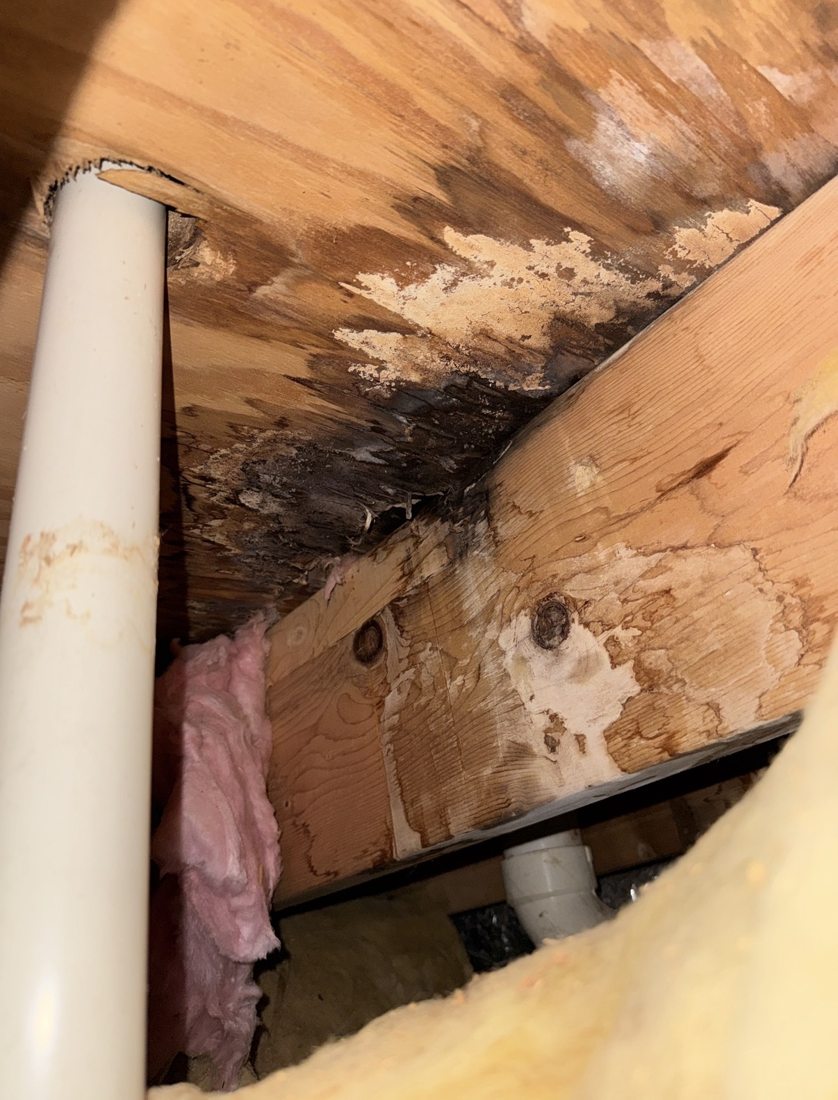
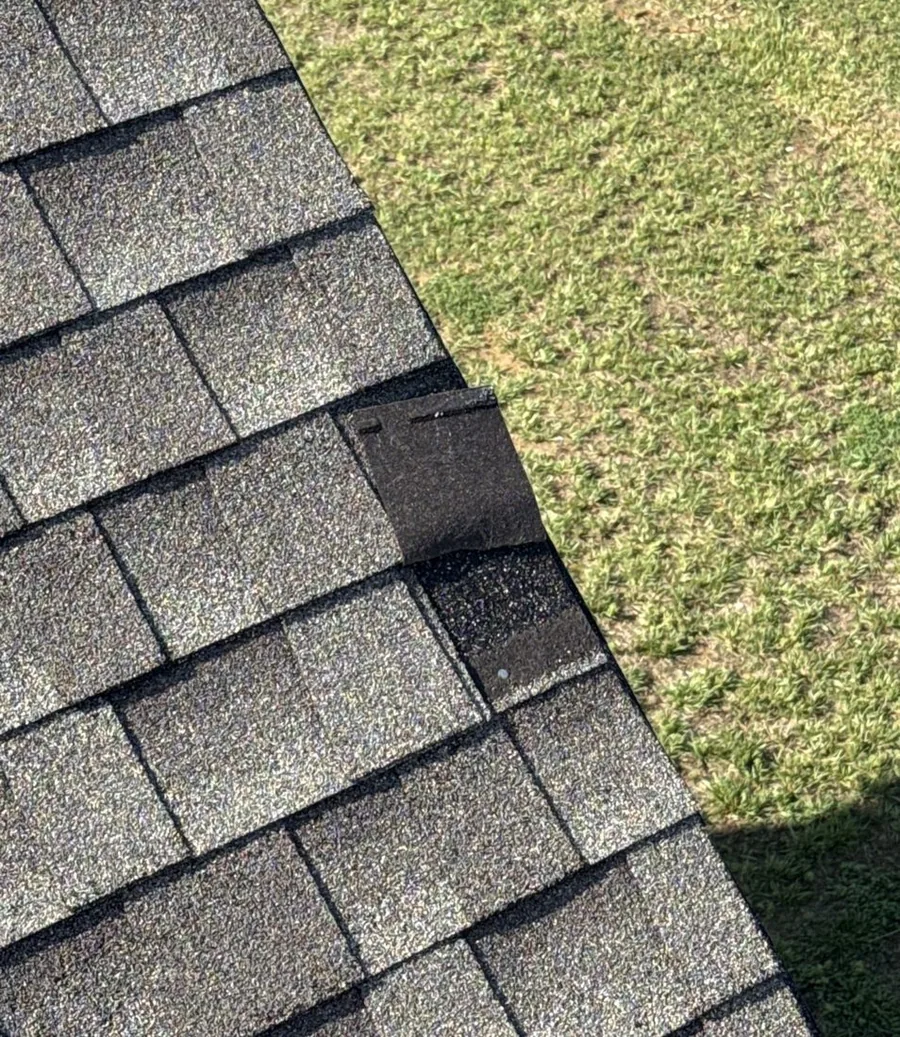
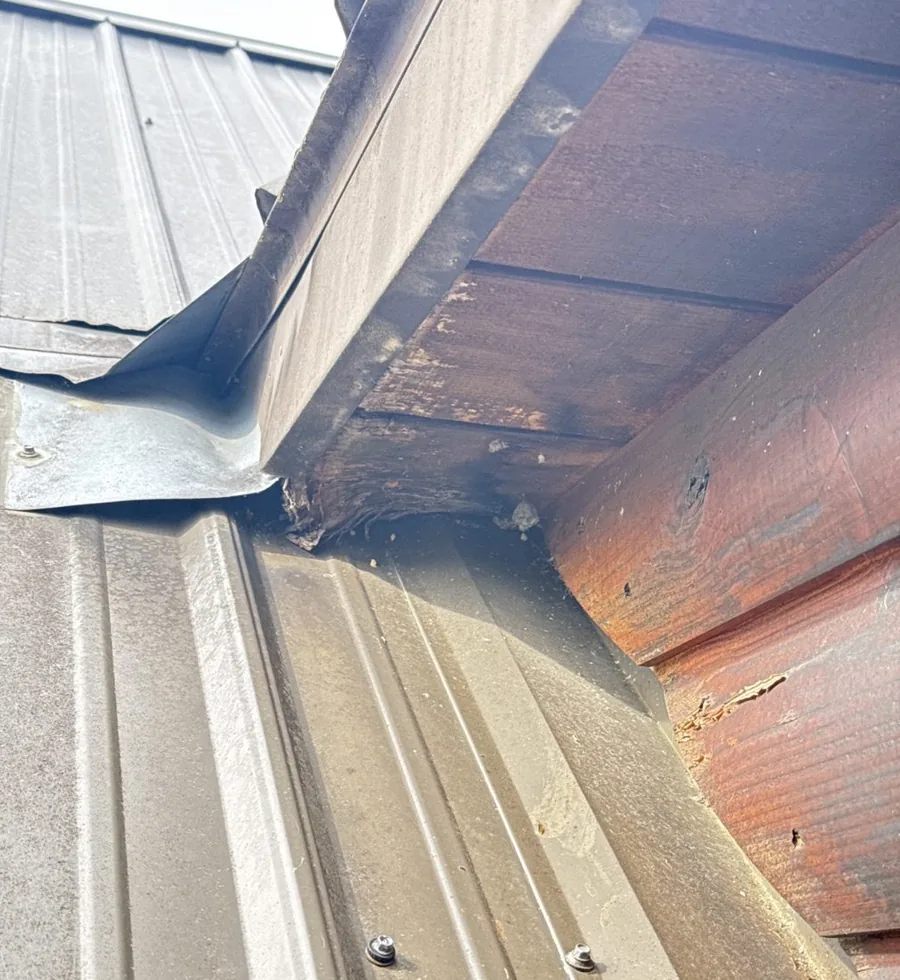
Scope
Worth saying up front rather than in a footnote. A home inspection follows the InterNACHI Standards of Practice, and those standards draw a line around what is inspected. Knowing where that line falls before you close is more useful than finding out afterward.
Where something falls outside the scope, the report says so plainly and points you at the right specialist. Telling you what I did not look at is part of telling you what you are buying.
Reports delivered the morning after your inspection — then talked through together.
Book your inspection“Seest thou a man diligent in his business? he shall stand before kings.”
Proverbs 22:29